
Introduction: The Importance of a Structured Cleaning Schedule
Maintaining a clean home is more than just an aesthetic choice; it is a fundamental pillar of personal health and psychological well-being. Many homeowners struggle with the dilemma of “how much is enough,” often oscillating between daily exhaustion and weekend deep-cleaning marathons. Understanding the optimal house cleaning frequency allows you to manage your time effectively while ensuring that allergens, bacteria, and clutter do not compromise your quality of life.
By establishing a structured routine, you transform cleaning from a daunting chore into a manageable series of habits. A consistent schedule helps in:
- Reducing daily stress and anxiety levels.
- Preventing the buildup of harmful bacteria and allergens.
- Extending the lifespan of your furniture and appliances.
- Improving the overall indoor air quality for your family.
The Psychology and Science of a Clean Home
A cluttered environment often leads to a cluttered mind. Research in environmental psychology suggests that physical order can significantly reduce cortisol levels, the body’s primary stress hormone. Beyond the mental benefits, the physiological necessity of cleaning cannot be overstated. Dust mites, pet dander, and mold spores accumulate rapidly in neglected corners, potentially triggering respiratory issues and allergies.
When we discuss house cleaning frequency, we are looking for the “Goldilocks zone”—cleaning often enough to prevent grime buildup but not so frequently that it becomes an obsession. The right balance depends on several variables, including whether you have pets, the number of occupants in the home, and whether anyone suffers from chronic respiratory conditions. According to the American Lung Association, maintaining low dust levels is critical for indoor air quality.
Daily Cleaning Essentials: Tasks You Can’t Skip
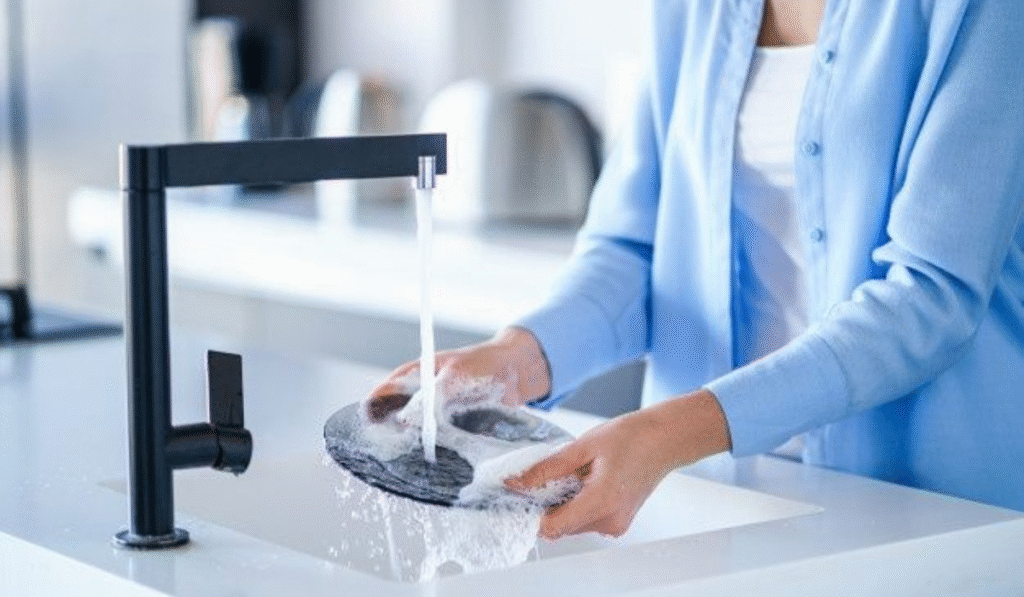
Certain tasks must be performed daily to prevent the house from falling into a state of chaos. These “high-traffic” chores focus on areas where bacteria multiply the fastest. Kitchen counters, for instance, should be wiped down after every meal preparation to eliminate foodborne pathogens. Similarly, doing the dishes and sweeping the kitchen floor prevents the attraction of pests.
To keep your home feeling fresh every day, focus on these quick wins:
- The Kitchen Sink: Wash dishes and sanitize the basin to prevent odors.
- High-Touch Surfaces: Wipe down doorknobs, light switches, and remote controls.
- Floor Maintenance: Sweep or vacuum high-traffic entryways.
- General Tidying: Spend 10 minutes returning items to their designated spots.
Making the bed and performing a “five-minute tidy” in the living room can have a profound impact on your mood. These small wins set a productive tone for the day. High-touch surfaces should also be prioritized, especially during flu season, as noted by Centers for Disease Control and Prevention (CDC) guidelines.
Weekly Chores for Maximum Impact
The weekly cleaning session is the backbone of a healthy home. This is when you tackle the tasks that require more than a cursory glance. Vacuuming and mopping all floors should be done at least once a week. For households with carpeting, vacuuming pulls up deep-seated dirt that can wear down carpet fibers over time.
Bed linens and towels should also be laundered weekly. Sheets collect sweat, skin cells, and oils that provide a feast for dust mites. In the bathroom, a thorough scrubbing of the toilet, tub, and shower is necessary to prevent mildew growth. If you have a busy household, you might find that the Good Housekeeping Institute recommends even more frequent attention to high-use areas.
Monthly and Deep Cleaning Requirements
Monthly tasks involve the “out of sight, out of mind” areas. This includes dusting ceiling fans, cleaning baseboards, and vacuuming behind large furniture. These areas are notorious for collecting thick layers of dust that circulate through your HVAC system. Cleaning the inside of your microwave and wiping down the exterior of kitchen appliances also falls into this category.
Every three to six months, a “deep clean” is required. This involves washing windows, cleaning the inside of the oven, and shampooing carpets. It is also the ideal time to inspect your home for any maintenance issues, such as leaks or cracks, that might have been hidden by clutter. Regular maintenance of your HVAC filters is also vital; the U.S. Department of Energy suggests replacing filters every 1 to 3 months to ensure efficiency and air purity.
Kitchen Sanitation Standards
The kitchen is often the germiest room in the house. Sponges and dishcloths should be replaced or sanitized almost daily. Cutting boards, especially those used for raw meat, require immediate disinfection. While the countertops need daily attention, the refrigerator requires a monthly purge to remove expired items and wipe down spills that can harbor listeria.
Focusing on the house cleaning frequency of your kitchen appliances can also extend their lifespan:
- Microwave: Clean spills weekly to prevent baked-on grime.
- Refrigerator: Deep clean shelves and drawers once a month.
- Dishwasher: Run a cleaning cycle monthly to remove lime scale.
- Range Hood: Degrease the filter every 3 months for fire safety.
Keeping a clean kitchen isn’t just about looks; it’s about food safety and preventing cross-contamination, a point emphasized by FoodSafety.gov in their sanitation protocols.
Bathroom Hygiene and Health
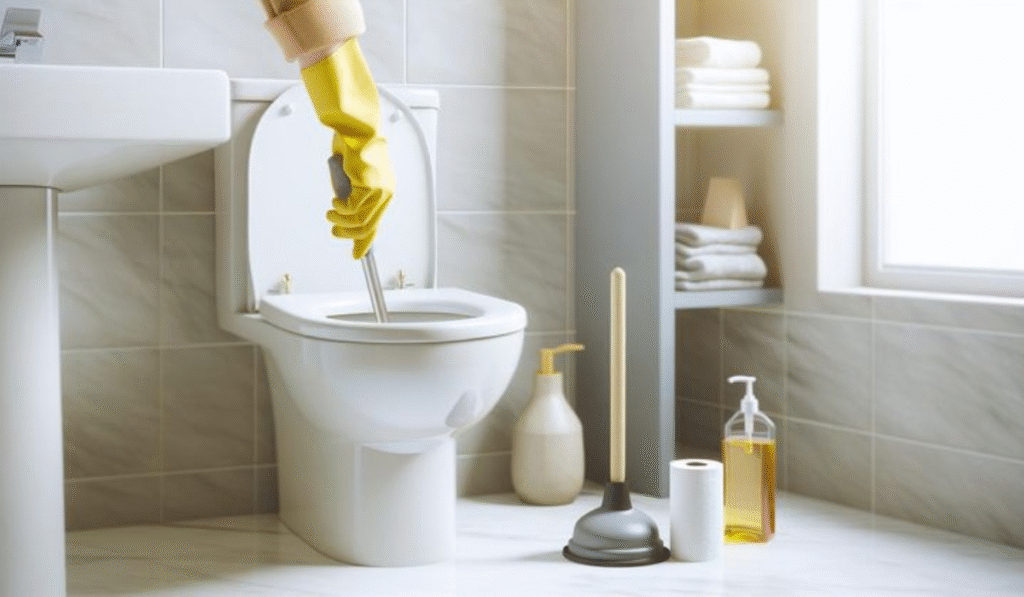
Bathrooms are breeding grounds for mold and mildew due to high humidity. Proper ventilation is key, but regular scrubbing is the only way to ensure the surfaces remain sterile. Beyond the weekly scrub, you should deep clean your grout and showerheads every few months to remove mineral buildup and fungal spores.
Don’t forget the bathroom accessories. Bath mats should be washed weekly, and toothbrushes should be stored in a way that allows them to air dry away from the toilet. Consistent attention to bathroom hygiene prevents the buildup of “biofilm,” a slimy layer of bacteria that can become difficult to remove. Research on WebMD highlights bathrooms as primary hotspots for household germs.
Adapting Frequency to Your Lifestyle
Every home is unique. A single professional living in a studio apartment will have different needs than a family of five with two golden retrievers. If you have pets, vacuuming might need to happen daily to manage shedding. If you live in a high-pollen area, windows and surfaces may require more frequent dusting during the spring and summer months.
Consider these factors when adjusting your frequency:
- Number of Occupants: More people mean more frequent floor and bathroom cleaning.
- Presence of Pets: Daily vacuuming and lint rolling may be necessary.
- Allergies: High-efficiency particulate air (HEPA) vacuuming should be done twice weekly.
- Home Size: Large homes benefit from a zone-cleaning approach.
The goal is to create a sustainable rhythm. If a weekly schedule feels overwhelming, break it down into “one room per day” sessions. Customizing your house cleaning frequency based on your specific environmental factors ensures that your home remains a sanctuary rather than a source of stress.
Conclusion
Determining the right house cleaning frequency is a personal journey that yields professional results for your health and home longevity. By categorizing tasks into daily, weekly, and monthly buckets, you can maintain a high standard of cleanliness without sacrificing your entire weekend. Remember, the key to a clean home is not a single day of intense labor, but the consistency of small, repeated actions. Start small, stay consistent, and enjoy the peace of mind that comes with a well-maintained living space.
FAQs
1. How often should I vacuum if I have pets? If you have shedding pets, it is recommended to vacuum high-traffic areas daily and the entire house at least twice a week to manage dander and fur.
2. Is it necessary to wash bed sheets every week? Yes. Weekly washing removes accumulated sweat, oils, and skin cells, which helps prevent skin irritation and keeps dust mite populations under control.
3. How often should I clean my windows? For most homes, a thorough window cleaning every 3 to 6 months is sufficient, though you may need to do it more often if you live near the coast or in a dusty area.
4. What is the most important daily cleaning task? Kitchen sanitation—specifically wiping counters and handling dishes—is the most critical daily task to prevent bacterial growth and pest infestations.
5. Do I really need to clean my baseboards? Yes, baseboards collect significant dust and allergens. Cleaning them every 1 to 2 months keeps your air cleaner and your home looking sharper.
6. How often should I deep clean the oven? A deep clean every 3 to 6 months is standard, though you should wipe up spills immediately to prevent smoke and odors during cooking.
7. How often should I replace my kitchen sponge? Sponges should be replaced every 1 to 2 weeks, or sanitized in the dishwasher or microwave every two days to kill lingering bacteria.
References and Citations
- Indoor Air Quality and Dust Management: Keeping dust at bay is essential for preventing asthma triggers and respiratory issues. American Lung Association on Dust Mites.
- Disinfection Protocols: Proper cleaning and disinfecting of high-touch surfaces are vital for preventing the spread of germs. CDC Cleaning Guidelines.
- Fabric and Linens Care: Expert recommendations suggest weekly laundering for items in close contact with skin. Good Housekeeping Cleaning Frequency.
- Appliance Maintenance: Regular cleaning of HVAC and kitchen appliances ensures energy efficiency and safety. U.S. Department of Energy Maintenance.
- Food Safety Standards: Maintaining a sterile environment in the kitchen prevents foodborne illnesses. FoodSafety.gov Guidelines.
- Germ Hotspots: Identifying and cleaning the most contaminated areas of the home improves overall household health. WebMD Household Germ Guide.